 Jonathan Franklin
Problem
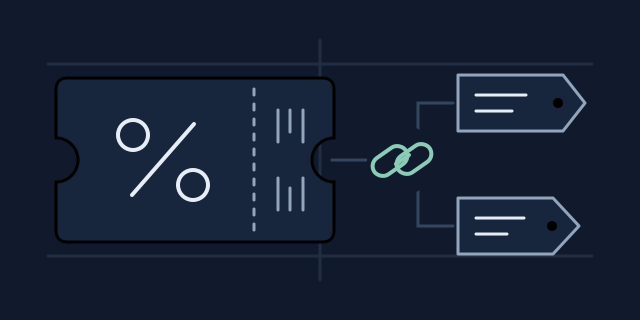
Affiliate networks supplied Pricesearcher’s offers and vouchers, but their authenticated feeds disagreed on promotion formats, dates and destination links. Deals search needed consistent records associated with merchants, not a separate integration path for every network.
Constraints
Feeds were paginated, sometimes compressed, and had missing fields and network-specific conventions. Downloading, parsing and indexing needed separate failure boundaries. Affiliate deeplinks had to remain connected to the correct merchant and destination.
Solution
The pipeline downloaded authenticated feeds to S3, used SQS to trigger network-specific processors and published normalised promotions to Elasticsearch. A separate path synchronised Kelkoo pass-through links between Redis and Google Sheets.
My Role
I added authenticated and paginated downloads, gzip support and network-specific configuration. I worked on feed processors, including pandas processing of Commission Junction JSON, and on the promotions index. I maintained the Kelkoo link-cache synchronisation.
Technologies
Python, pandas, AWS (S3, SQS, Lambda), Elasticsearch, Redis, Google Sheets.
Engineering Challenges
- A shared contract without pretending feeds were uniform: Network-specific processors dealt with missing fields, promotion types, datetimes and deeplink-derived merchant keys before records entered the common index.
- Keeping affiliate destinations intact: Mapping destination URLs to affiliate links mattered as much as making offers searchable; losing that association would make a valid search result commercially unusable.
- Isolating ingestion from indexing: S3 and SQS separated download from processing so feed acquisition and normalisation did not have to run as one coupled operation.
Outcome
Integrated networks gained a common route to searchable offers and vouchers. The reusable stages reduced the need to put each feed’s quirks into the search layer; no conversion or revenue uplift is claimed here.